8/26 Offener Osten / Geben verdoppeln / Gefesselte Milliarden
Hallo! Du liest Das Neue Geben mit aktuell 7.141 anderen. 📖 Diese Ausgabe vom Montag, 31. August 2026 hat 2.200 Wörter, Lesezeit ca. 9 Minuten
Liebe Lesende,
was für ein Sommer neigt sich zum Ende! Im September fallen schon lange Schatten. Die Wahlen in Ostdeutschland werfen ihre voraus, ich nehme sie zum Anlass für meinen Essay und eine Liste von Organisationen, die mich beeindrucken mit ihrem Einsatz für eine offene Gesellschaft.
Aber auch lang gesäte Frucht wird endlich reif. Vor einem Jahr hatte ich hier ein Forum Neues Geben von Philanthropen und Politik angeregt, am 8.9. findet es statt. Wir wollen Empfehlungen machen, um das Geben zu verdoppeln, ich werde berichten. Danach geht es in den neuen Amtssitz des Bundespräsidenten und abends zu einem privaten Dinner für Menschen, die sich stärker finanziell für Demokratie engagieren wollen. Wer das auch tun und dabei sein möchte: Ich habe fünf Tickets für Lesende dieses Newsletters.
Herzlich, Felix
P.S.: In den vor- und unzeitigen Winterschlaf hat die Bundesregierung leider soziale Innovationen und Impact geschickt. In ihrer neuen Startup-Strategie spielen sie keine Rolle mehr, aber das hat SEND bereits gut kommentiert.
✍️ ESSAY: Der Osten ist offen
Bild: Selfie in Brandenburg, August 2026
Berufsbedingt bekomme ich viele Ideen zugeschickt. Ein Denkmal für den Weltfrieden. Konzepte für Entwicklung im Globalen Süden. Das meiste aber ist lokal. Und es kommt aus dem Westen.
Im Osten ist die Landschaft anders. Das Bewusstsein für das, was in der Demokratie zählt, ist es nicht. Zwei der stärksten Demokratiesongs, die ich kenne, stammen von Ostdeutschen. Der erste ist von André Herzberg, er singt in “Kiefernlied” von den Bäumen auf kargem Sand. Sie brauchen wenig Nährstoffe und halten mit ihren Wurzeln den Boden. Man kann das als Botanik lesen. Oder als Beschreibung der ostdeutschen Zivilgesellschaft.
Karg ist der Boden tatsächlich. Auf 100.000 Einwohner kommen im Westen 33 Stiftungen, im Osten nur 14, fast alle klein. Große private Spenden sind selten, der Staat ist fast der einzige Finanzierer. Auch deshalb wirkt der Umbau des Bundesprogramms „Demokratie leben!" vielerorts wie ein Kahlschlag.
Aber endlich wächst das Spendeninteresse. Vor den Landtagswahlen am 6. und 20. September häufen sich in meinem Umfeld die Fragen nach unterstützenswerten Organisationen. Mehrere Fonds privater Spender und Stiftungen sind aktiv oder starten gerade. Unten habe ich eine Liste von Fonds und Organisationen zusammengestellt, die mich beeindrucken.
Ostdeutsche erwarten vom Staat allerdings noch mehr als Westdeutsche, auch dass er Einkommen und Vermögen ausgleicht (ESS, Destatis). Daraus wird oft ein Reflex gegen privates Geben: Reichtum solle besser als Steuer abgeschöpft und öffentlich verteilt werden. Ich kann die Perspektive verstehen. Aber der Wunsch scheitert derzeit an beiden Enden. Von 60 Erlassen der Erbschaftsteuer für Großvermögen ging kein einziger nach Ostdeutschland. Und mit einer regierenden AfD werden staatliche Fördermittel zum Machtinstrument der Ausgrenzung.
Umso mehr kommt es darauf an, WIE gegeben wird. Noch gibt es die gönnerhafte Förderung aus dem Westen und die mahnende Podiumsdiskussion in der Elbphilharmonie. Aber viele neue Programme sind partizipativ gebaut: Bei Zukunftswege Ost entscheidet eine mehrheitlich ostdeutsche Jury, beim Flow Fund vergeben junge Ostdeutsche selbst je 25.000 Euro an Initiativen ihrer Wahl. Das Geld mag aus dem Westen kommen, die Entscheidung fällt im Osten.
Jetzt zählt es. Wer geben möchte und nicht weiß wohin, dem schlage ich drei Prinzipien vor.
Erstens: Organisationen statt Projekte. Ohne Vorgaben finanzieren, wo möglich über mehrere Jahre. Wer den Menschen vor Ort zutraut, die Demokratie zu verteidigen, kann ihnen auch zutrauen, ihr Budget zu verwalten.
Zweitens: Auf Empfehlungen verlassen, auf mehreren Schultern spenden. Derselbe Euro kann an der richtigen Stelle hundertmal mehr bewirken als anderswo. Deshalb am besten mit anderen zusammen geben, die gut ausgewählt und Partnerschaften aufgebaut haben.
Drittens: Portfolios statt Einzelspenden. Um an der Börse das Risiko zu verteilen, sind ETFs entstanden. Um beim Spenden breite Wirkung zu erzielen, gibt es jetzt Portfolios und Spendenfonds.
Diese drei Prinzipien gehen noch gegen die populäre Praxis, sich direkt ein Projekt auszusuchen und es einmalig zu fördern. Das ist zwar besser als nicht(s) zu geben, aber es ist wie wenn man im Wald einen Baum einmal im Jahr mit Wasser ertränkt. Und niemandem davon erzählt.
Kluge Spenden vertrauen, sind vernetzt und vernehmbar (sichtbar, aber ich kann Alliterationen nicht widerstehen 😉). Sie schaffen ein Ökosystem. Ich hoffe, mit meiner Empfehlungsliste “Offener Osten” eine kleine Gießanleitung zu liefern. Die habe ich auch am Freitag im Handelsblatt (”Die klügste Investition in Ostdeutschland ist eine Spende”) geteilt, mit der Bemerkung: “An Dramatisierungen und Appellen rund um die drei ostdeutschen Landtagswahlen im September mangelt es nicht. Meist geht es um Erklärungen aus Defiziten heraus. Und um Warnungen, zu häufig von Menschen aus Westdeutschland. Das Letzte, was Engagierte in Ostdeutschland brauchen, ist Besserwisserei.”
Und da fällt mir der zweite Demokratiesong ein: “Alle oder keiner”, von Gerhard Gundermann (Musik geklaut von Neil Youngs “Rockin’ in the Free World”, passt auch, besonders von Pearl Jam). Beide Lieder standen übrigens schon einmal nebeneinander, 1992, gegen Fremdenhass mit dem Titel „Gewalt ohne mich". Ich höre viele Stimmen, die sagen, so schlimm sei es noch nie gewesen mit der Demokratie.
Ich sehe den Wald voll lauter Bäume.
bcause für Organisationen
bcause ermöglicht gemeinnützigen Organisationen, Spenden digital zu sammeln, zentral zu verwalten, flexibel abzurufen – und bis dahin zu verzinsen.
bcause und der Deutsche Fundraising Verband bauen den Neuland Club auf - einen kuratierten Kreis für innovative Mitarbeitende gemeinnütziger Organisationen und Fundraisingberater*innen.
Es geht um Themen wie Großspenden-Fundraising, Erbschaften oder die Zusammenarbeit mit Stiftungen und öffentlichen Förderern. Es geht um Herausforderungen, Scheitern und Lernerfahrungen im Fundraising. (Und auch um die kostenlosen Spendeninfrastrukturtools von bcause.)
Wer kennt Personen, die intern Veränderungen anstoßen, neue Ansätze voranbringen und Energie haben, den Sektor mitzugestalten?
Bis zum 15.09.2026 die Nominierung über unsere Webseite einreichen: https://web.bcause.com/neuland
Oder für konkrete Fragen zur bcause-Nutzung einfach einen Online-Termin mit meinen Kolleginnen Nicole und Simone buchen.
Eine Zahl, die im Kopf bleibt: 516 Milliarden
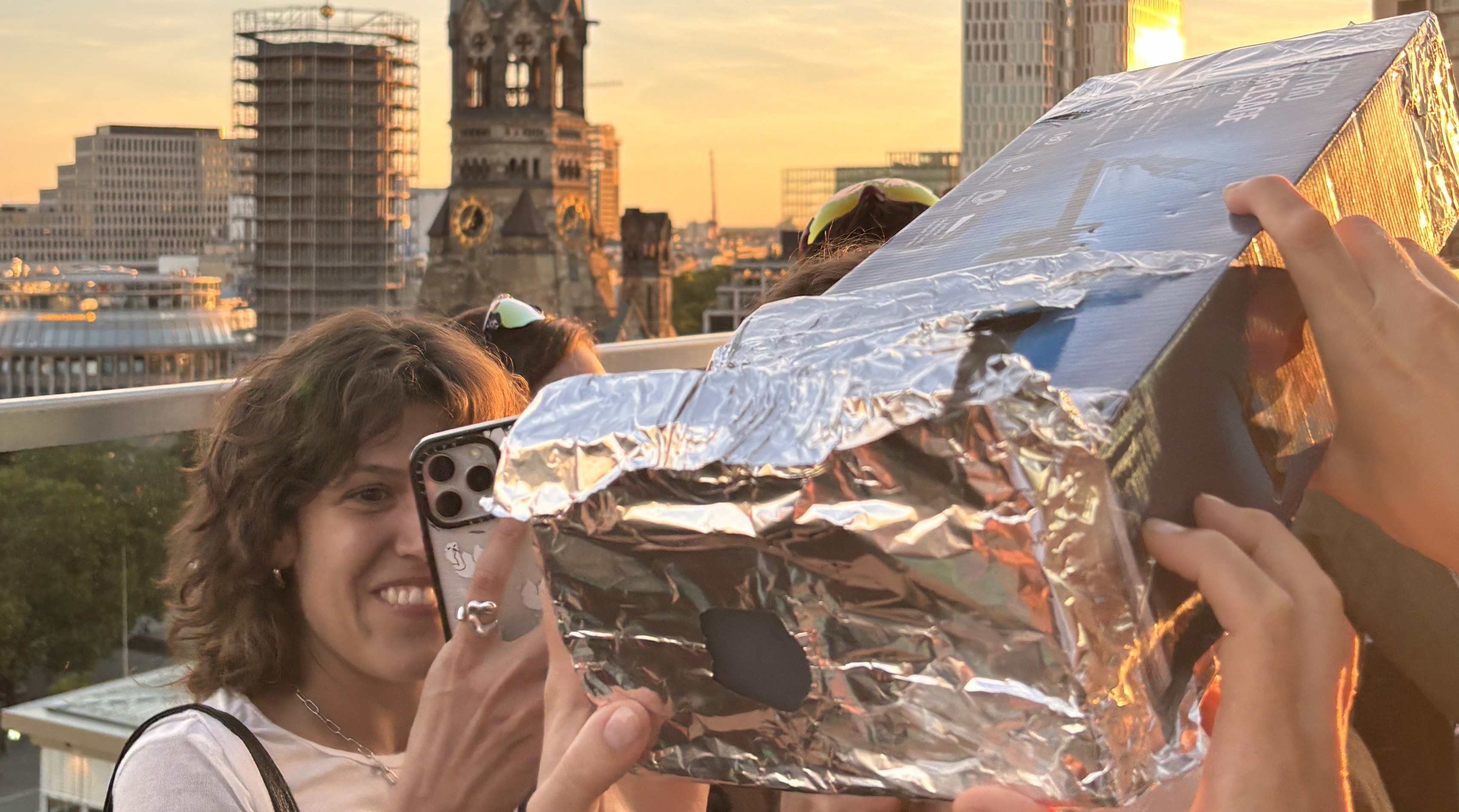
Bild: Meine selbstgebastelte Camera Obscura im Einsatz, August 2026
Ein sehr großes, weit entferntes Objekt, von dem ich nur eine winzige Scheibe sehe? Nein, ich spreche nicht von der Sonnenfinsternis. Sondern von den 516 Mrd Euro in Vermögen in europäischen Stiftungen, von denen nach einem sehr klugen Artikel von Melina Sanchez im Alliance Magazine (in dessen Board ich lange war) gerade einmal ein Prozent so angelegt ist, dass es mit dem Stiftungszweck zu tun hat. Der Rest wird konventionell investiert.
Würden nur zehn Prozent der deutschen Stiftungsvermögen in Impact Investments umgeschichtet, würde das den gesamten deutschen Markt (heute etwa 9 Mrd Euro) verdoppeln. Melina beschreibt genau, warum dieser Wohlstand gefesselt ist. Seit der Reform von 2023 dürfen Stiftungen zweckbezogen anlegen, aber im Gemeinnützigkeitsrecht fehlt eine Business Judgement Rule, die Stiftungen vor dem Verlust der Gemeinnützigkeit schützt, wenn ein Investment auf null geht. Und anders als in den USA mit ihren Program Related Investments dürfen deutsche Stiftungen operative Mittel nicht in zweckverwandte Unternehmen geben. (Vielleicht können wir das mit dem Forum Neues Geben ja ändern.)
Melina zitiert bcause, weil wir 60 Prozent des eigenen Stiftungsvermögens in Impact Investments halten (Wer lernen möchte, wie das geht, findet hier unser Impact-Webinar). Die Szene bewegt sich. Die Allianz Foundation hat sich auf 20 Prozent bis 2035 verpflichtet, die Joachim Herz Stiftung hat sehr offensiv ihr 20 Millionen-Investment in einen Deep-Tech-Fonds verkündet (nicht Impact, aber immerhin Wagniskapital).
Ich kann Melina nur zustimmen: “Jeder Stiftungsvorstand sollte ein Mission-Investing-Ziel auf die Tagesordnung setzen, und jeder Vermögensverwalter sollte erklären, warum Impact Venture Capital nicht im Portfolio ist. Wer diese Frage einmal in einer Vorstandssitzung stellt, wird merken, wie schnell sich die Finsternis lichtet.”
Club Neues Geben
Vor einigen Monaten wurde ich eingeladen, bei P150 mitzumachen, dem (bis vor kurzem auf 150 Mitglieder limitierten) Netzwerk der global führenden Philanthropieberater:innen. Seitdem lerne ich laufend von anderen Menschen, die große Summen beeinflussen.
Inzwischen finden international auch zigmillionenschwere Förderinitiativen privat und direkt statt, ohne Vollzeit-Stiftungspersonal. Wo Berater früher nur ein Konzept entwickelt haben, werden sie zu denen, die auch die Allokation der Mittel und die Beziehung zu den Empfängern übernehmen. Und andere Gebende an Bord holen, die mitmachen.
Das spiegeln wir auch bei bcause: Zu den Partnerschaften im Club Neues Geben mit Philanthropie-Beratern wie Andreas Rickert, Andreas Schiemenz, Paul Ziesche u.a. bauen wir ein Tool, mit dem sie nicht nur beraten, sondern direkt auch das Geld ihrer Kunden auf einen Blick managen können. Bei Interesse melden!
Mit Paul Ziesche und Luke Kinkaid habe ich in meinem englischen Substack einen Artikel “From Intention to Giving” geschrieben, der die Barrieren beschreibt, bei denen Berater auf dem Weg zu mehr Geben helfen können.
Eine Idee zum Weiterdenken: Meine Liste Offener Osten
Bild: Aufbruchsstimmung an der Spree, im August 2026
Regelmäßig erstelle ich Listen von Organisationen, die mich besonders beeindrucken - und unterstütze sie mit meinen (sehr überschaubaren) Honoraren und (immer mehr) Zuspenden Dritter über meine kleine FOFoundation, die ich vollständig weiterleite.
Noch nie hatte ich so viel Input wie zum Thema Ostdeutschland. Deshalb ist die Liste etwas länger geworden.
Von kooperativ bis partizipativ: Spendenfonds
Sachsen-Anhalt Fonds (Kinnings Foundation und Schöpflin Stiftung): Dieser “Flow-Fund” wurde gegründet von drei jungen Changemakern. Bisher wurden über €100.000 partizipativ von jungen Engagierten vor Ort selbst verteilt.
Zukunftswege Ost (Stiftung Bürger für Bürger, Halle): Gemeinschaftsinitiative vieler Stiftungen mit Mikroförderungen und Jugendfonds
Block Up (Wir für Demokratie): €500 Startkapital für Initiativen junger Menschen aus Arbeiter*innenklasse und Erstakademiker*innen, überwiegend in den ostdeutschen Bundesländern.
Spendenfonds Starke Demokratie: Ausgewählte Organisationen mit “Wirkt!”-Siegel von PHINEO für nachgewiesenen Impact in unterschiedlichen Themenbereichen.
Deutscher Fonds für Demokratie: Unabhängiger Spendentopf für Nothilfe, Stabilisierung und Entwicklung von Demokratieinitiativen und -orten, initiiert aus dem Campact-Umfeld.
Jugend und Bildung
Sindbad Görlitz bringt junge Menschen mit engagierten Mentoren zusammen, die ihnen zuhören und Mut machen.
Initiative Studienstiftung des Ostens schließt eine Förderlücke und baut ein Stipendienprogramm für junge Talente aus Ostdeutschland.
Die Kinnings Academy ist das Leadership-Programm für junge Changemaker in Ostdeutschland. https://www.kinnings-academy.org/
Die Changemaker Academy aus Ketzin zeigt jungen Menschen, was sie vor oder über das Wählen hinaus gesellschaftlich bewegen können.
Lokale Allianzen
Das Aufwind-Festival ist ein einmaliges Inspirations- und Vernetzungsevent im November 2026. Für alle, die machen statt reden.
Junges Rathaus (Kulturallianz Gartz, Lokalschmiede) hat der Bürgermeister Luca Piwodda das Projekt genannt, das Rathaus konsequent für die Beteiligung junger Menschen zu öffnen.
Das Netzwerk Lebendige Dörfer (Dorfbewegung Brandenburg) sorgt u.a. mit einem “Parlament der Dörfer” für Austausch zwischen ländlichen Anliegen und der Politik.
Öffentlichkeit und Opferhilfe
Die Gesellschaft für Freiheitsrechte klagt für die Einhaltung der Grundrechte.
Fokus Thüringen ist ein unabhängiges Medienprojekt mit Features, Reportagen, Analysen und Podcasts, entwickelt von lokalen Journalisten
BAG Ausstieg zum Einstieg unterstützt mit Ausstiegs- und Distanzierungsberatung im Kontext des Rechtsextremismus
Ex Ante berät zu Justiz und Verwaltung zu rechtsstaatlicher Resilienz für den Fall, dass autoritär-populistische Akteure staatliche Machtmittel erhalten
Miteinander eV aus Magdeburg berät Opfer von Rechtsextremismus, liefert Analysen und unterstützt die Verwaltung beim Umgang mit neuen Mehrheiten.
LAMSA ev: Das Landesnetzwerk für Migrantenorganisationen in Sachsen-Anhalt vertritt die politischen, wirtschaftlichen, sozialen und kulturellen Interessen von Menschen mit Migrationshintergrund.
Ein Mensch, der mich beschäftigt: Klaus-Michael Kühne
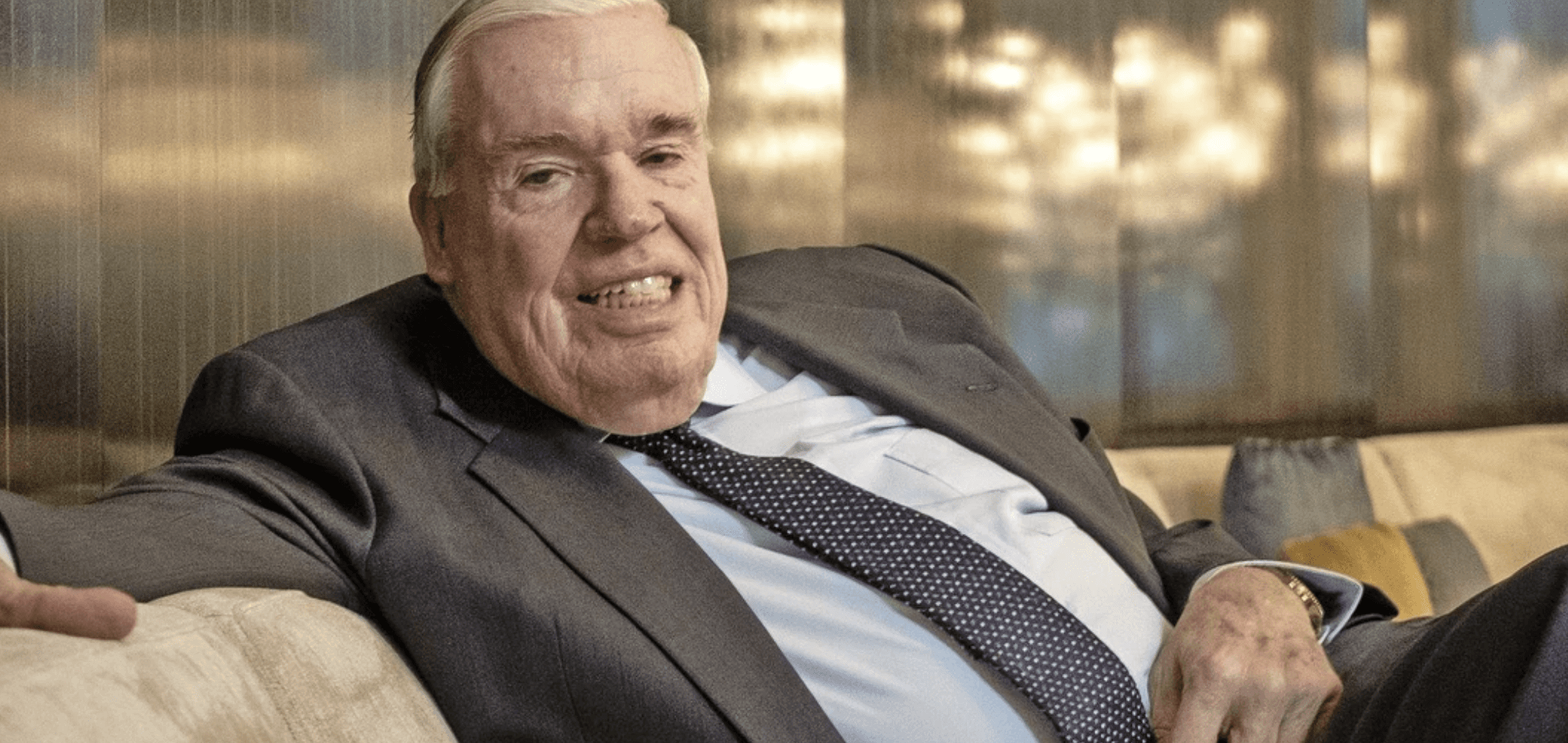
Bild: Der Unternehmer und Mäzen, Klaus-Michael Kühne 1937-2026
Klaus-Michael Kühne ist am 24. August gestorben. Sein Tod ist ein großes, aber kein ganz einfaches Ereignis für die Philanthropie. Je nach Schätzung gehen 23 bis 40 Milliarden Euro an die gemeinnützige Kühne-Stiftung in der Schweiz, ab sofort eine der großen der Welt. Sie kontrolliert 60 Prozent von Kühne+Nagel, hält Beteiligungen an Hapag-Lloyd, Lufthansa uvm.
Kühne und seine Stiftung haben schon zu seinen Lebzeiten Hunderte Millionen für Wissenschaft, Medizin und Kultur eingesetzt. Das sind Spenden, die ihresgleichen suchen. Für die Kühne Logistics University, die neue Hamburger Oper.
Zum Bild gehört aber auch: Das Familienvermögen profitierte in der NS-Zeit, unaufgearbeitet. Und es wird nun weder über Steuern (sein Wohnort Kanton Schwyz erhebt keine Erbschaftsteuer) noch anders an die Gesellschaft verteilt.
Bisher ist die Kühne-Stiftung eher ein Stiftungskonzern als eine Fördereinrichtung. 2026 hat sie 65 Mio CHF ausgegeben, gemessen am künftigen Vermögen ungefähr 0,2 Prozent, und zwar nicht an Dritte, sondern für Mitarbeitende und Tochtergesellschaften.
Kühne hat persönlich mehr gespendet als die meisten Großvermögenden. Gleichzeitig hat er sein Vermögen in eiserne Fesseln gelegt. Auf LinkedIn habe ich argumentiert, dass er mit dieser Ambivalenz für seine Zeit steht.
💡 MEHR VON FELIX
Artikel “Private Banking kennt jeder. Jetzt kommt Private Giving.” mit Dr. Andreas Rickert in Stiftung&Sponsoring 4/26
Handelsblatt-Kolumnen über nachhaltiges Banking (14.8.) und Spenden in Ostdeutschland (28.8.)
Substack-Artikel “From Intention to Giving. Why the Wealthy Give Less Than They Want To” mit Luke Kinkaid und Paul Ziesche, Juli 2026
Podcast New Philanthropy “Zwei Perspektiven, Ein Ziel” mit Andreas Schiemenz, Juli 2026
📅 Kommende Auftritte:
8.9. Forum, Empfang und Dinner Neues Geben, Berlin (Für engagierte Gebende sind noch fünf Tickets für das Dinner reserviert, freue mich über Email)
14.9. Augenhöhe-Forum, Osnabrück → Die inspirierende Geschichte von Gastgeber Karsten Wulf vom Gründer zum Impact-Investor hier auf Spotify
15.9. The Frontier Dinner, mit Renaissance Philanthropy, Zürich
12.10. Jahrestagung Bundesverband Nachhaltiges Wirtschaften
🔍 Needs & Leads
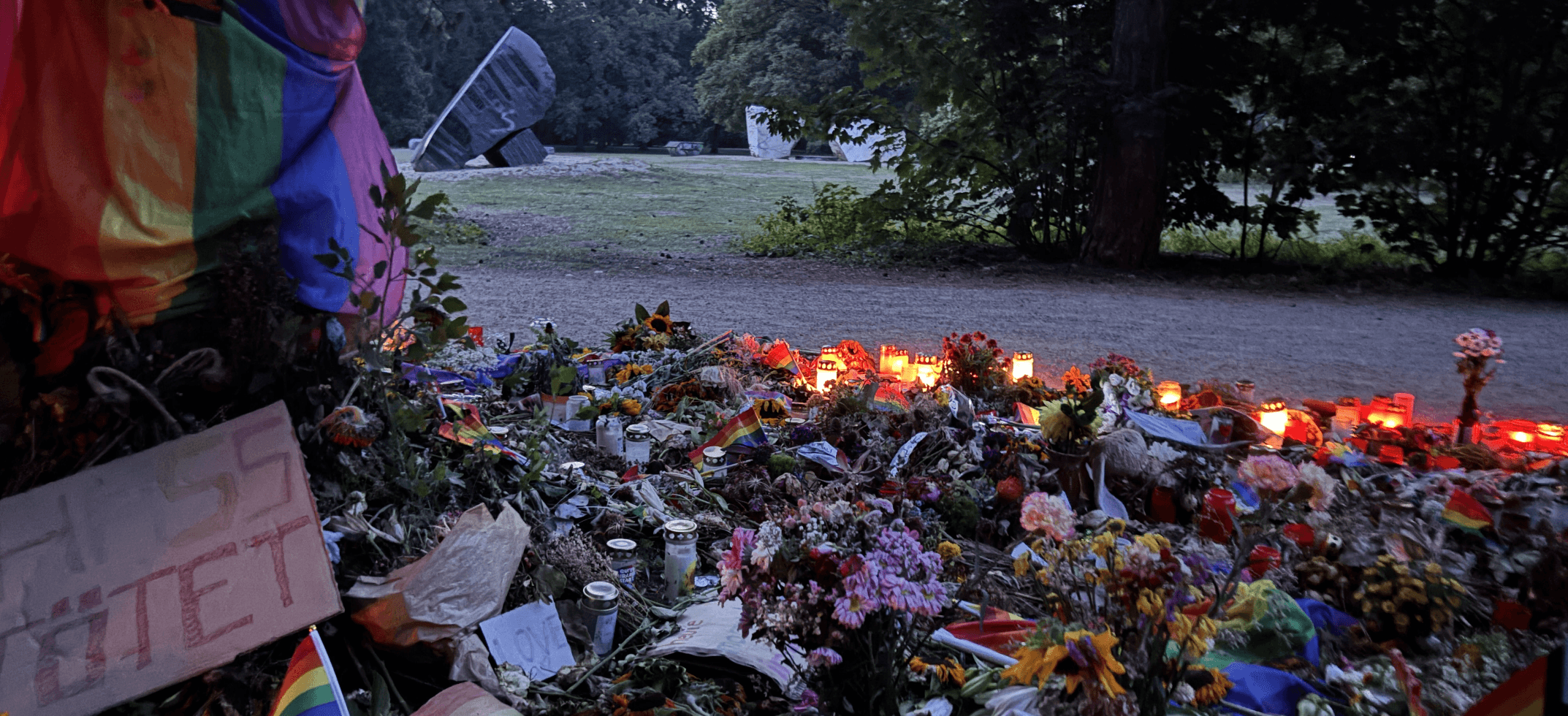
Bild: Am Ort des Anschlags auf den Berliner CSD, Juli 2026
Bereits vier Wochen ist der fürchterliche Anschlag auf den Berliner CSD her. Dort, wo ich sonst jogge, liegen noch Blumen. Inzwischen gibt es den MANEO-Opferfonds und eine betterplace-Kampagne, die ich teilen möchte.
Letztes Jahr habe ich beim ersten Berliner Salon “Jetzt ist die Zeit” im Französischen Dom am Gendarmenmarkt mit hundert engagierten Menschen an zwanzig Tischen diskutiert. Am 30.9. gibt es endlich die Fortsetzung, Bewerbung hier.
Nachdem ich neulich über Steuerberater geschrieben habe, hat Teresa Conrad eine wunderbare Idee mit mir geteilt: Ein neues Steuerformular, das die gesellschaftliche Wirkung der Steuern beschreibt. Und sie hat es jetzt ergänzt um meine Idee eines freiwilligen Zusatzbeitrags, bei dem man mitentscheiden kann, was mit dem Geld passiert.
Für Kurzentschlossene: Endlich gibt es eine Impact-Investing-Konferenz in Berlin: Impact wird Mainstream mit PHINEO u.a. am 10.9. in Berlin
Das CSP bietet mit dem Nextgen Impact Investing Programm die aktuell führende Weiterbildung für Vermögenseigentümer:innen aus aller Welt an, die sich mit der Wirkung ihres Kapitals auseinandersetzen möchten. Eine ganze Reihe von Mitgliedern im Club Neues Geben haben davon bereits profitiert.
Schreibt mir gern mit Euren Needs und Leads.
Felix Oldenburg ist Impulsgeber im Bereich Social Entrepreneurship und Stiftungen. 🔗 Buch "Der gefesselte Wohlstand" hier bestellen 🎧 Oder als Hörbuch beim Joggen, Kochen, Autofahren... 📱Auf Instagram und LinkedIn für tägliche Gedanken und Diskussionsanstöße.
Hat dir diese Ausgabe gefallen? 👉 Empfiehl Das Neue Geben weiter und hilf uns, auf 10.000 Leser zu wachsen. 📮 Feedback? Schreib mir an fo@bcause.com 🔔 Setze diese E-Mail auf die Whitelist, damit keine Ausgabe im Spam landet
Felix Oldenburg CEO bcause · Vorstand gut.org · Autor "Der gefesselte Wohlstand"
Newsletter
So much is written. About everything. Except about giving. Every day I meet people who want to and can give more. Ideas and organizations that make a difference.
In my newsletter, I talk about topics that otherwise remain unexplained: Why people give or don't, which paths and wrong turns they take, how the market of giving works - with surprising numbers, inspiring portraits, and provocative ideas.