People & Stories
An investment in a future worth living - Ruth von Heusinger
ForTomorrow founder Ruth von Heusinger speaks about climate protection, emission certificates, and impact investing in an interview on ‘Das Neue Geben’.
—
9 minutes
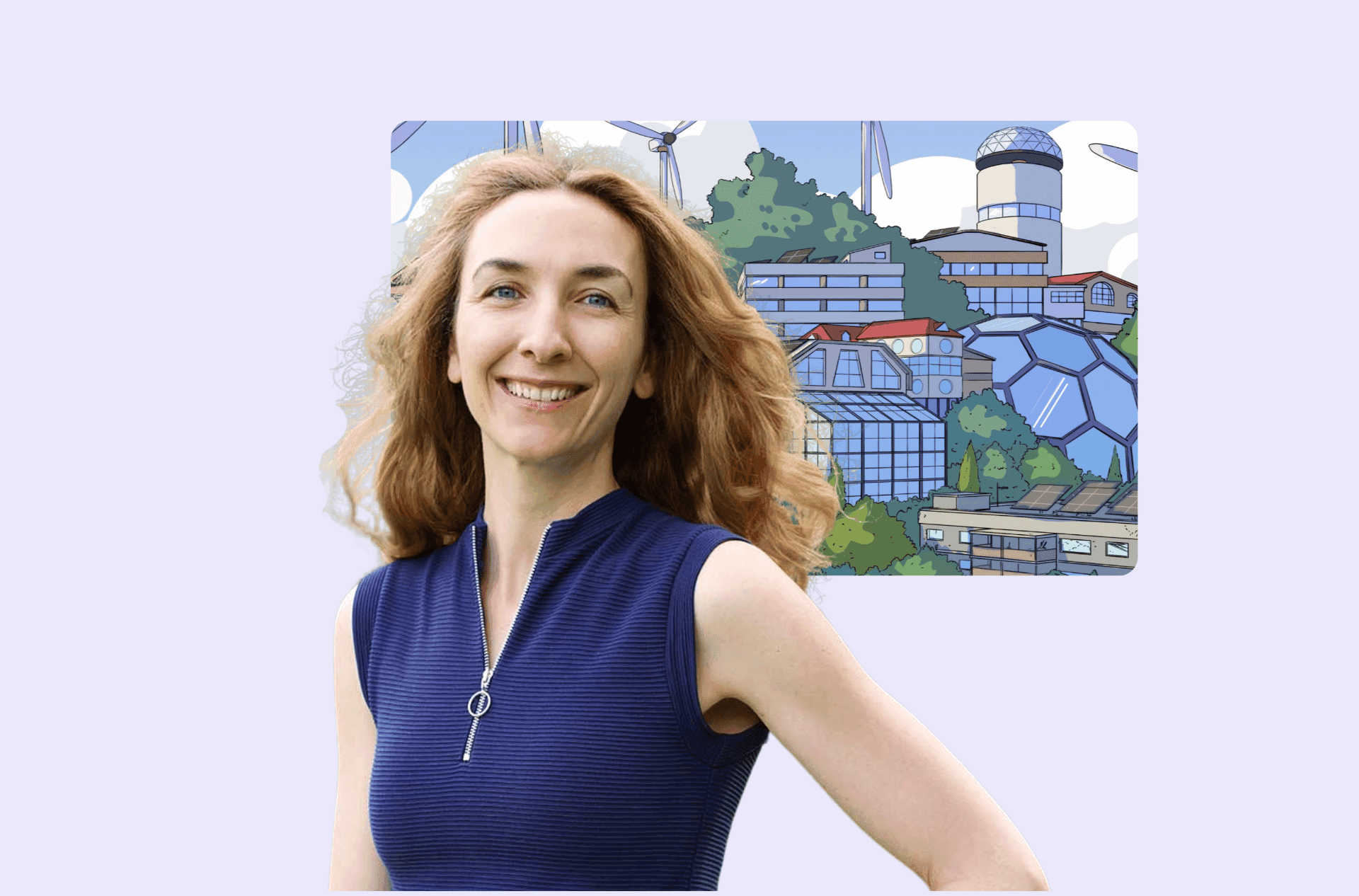
In the podcast “Das Neue Geben,” Felix and Janina spoke with Ruth von Heusinger. For better readability, some parts of the conversation have been shortened and adapted. You can listen to the full interview here:
From Physics to Pioneer in Climate Protection
Ruth von Heusinger is a dedicated climate protector, non-profit founder, and impact investor. After completing her degree in physics, she decided against pursuing a PhD and began working as an international trainee at Statkraft. There, she was active in various fields, from power plant dispatching in Düsseldorf to electricity market analysis in emerging markets such as Oslo, Brazil, and the Philippines, as well as emissions trading in Amsterdam. After working as a consultant in Business Intelligence and Data Warehousing, she moved to atmosfair as a Business Developer and became involved in the voluntarily carbon market. After receiving a large inheritance, Ruth decided to use her financial independence to actively commit herself to climate protection. In December 2019, she founded the non-profit organization ForTomorrow, which works towards a climate-neutral Europe through effective carbon offsetting. She does this by utilizing the European Emissions Trading System and investing in climate-resilient reforestation projects in Germany. To bundle her impact investing activities, she founded Hanami Ventures in 2023. With her comprehensive background and passion for climate protection, Ruth inspires many to actively engage in creating a sustainable future.
Climate Protection Reimagined: Ruth von Heusinger's Approach with ForTomorrow
Hi Ruth! You used your inheritance to become active in climate protection. What motivated you to do so, and how did the inheritance shape your perspective on money and your decisions?
Climate protection has been close to my heart for a very long time. Even back in my school days, I had a highly dedicated teacher who introduced us to the topic. It has stuck with me ever since, especially because the problem is far from being solved. Regarding money: I always wanted to be financially independent because I value freedom highly. After my physics degree, I worked in the energy sector and consulting and always earned a good income. About ten years ago, I received a larger inheritance. Initially, I was worried it would affect my life too much. For a start, I didn't change my lifestyle, but I changed jobs to work for a non-profit climate protection company. I knew that I no longer needed a high salary to be financially independent later on. Later, it became clear to me that I wanted to use this privilege of inheritance even more to actively drive climate protection forward. That’s how I founded ForTomorrow four years ago to give people and companies the opportunity to reduce CO2 emissions directly here in Europe. Many carbon offsetting projects take place in the Global South, but there is also a need for action here in Europe, as that is where the high CO2 emissions are. In the meantime, ForTomorrow has grown to a team of four, and I have founded the ForTomorrow Foundation via bcause. The issue of climate protection must be tackled from many angles – there is no single solution. For the past year, I have also been active in impact investing because I believe we need both non-profit and for-profit approaches to effectively stop climate change.
“We cannot solve the problem purely through CO2 reduction.” - Ruth von Heusinger on the challenges of climate protection
Can you explain again exactly what your mission with ForTomorrow is?
In short: We use the mandatory European Emissions Trading System and buy emission allowances to retire them unused. This directly reduces CO2 emissions in the EU, forcing companies to transition faster. The money is not lost but is reinvested by the state in climate protection measures.
To put it more clearly: The emissions trading system is comparable to our waste management system. In the past, there were no regulations on CO2 emissions - similar to the uncontrolled disposal of waste. Garbage bins were introduced to change this - and today, companies must acquire emission allowances to “dispose” of their CO2 emissions. If they produce more emissions, they must buy larger “bins”. The key point of this system is that the number of emission allowances is capped. With ForTomorrow, we buy these allowances from the EU emissions trading system, but instead of filling them with CO2 waste, we let them expire unused. This reduces the total volume of allowances and the opportunities for companies to emit CO2. The comparison is highly appropriate because we also strive for a circular economy in waste management where everything is recycled. In the long term, however, we must also extract more CO2 from the air. To stay within the 1.5-degree limit, we would need to return to 350 parts per million of CO2 in the atmosphere; currently, we are at 420 parts per million. So we cannot solve the problem purely through CO2 reduction. Therefore, with ForTomorrow, we pursue a nature-based systemic approach, where we do not just plant trees but reforest entire woodlands to sustainably increase the total forest area in Germany.
You founded ForTomorrow as a non-profit organization. What is the difference compared to for-profit companies, and what role does this play for your mission?
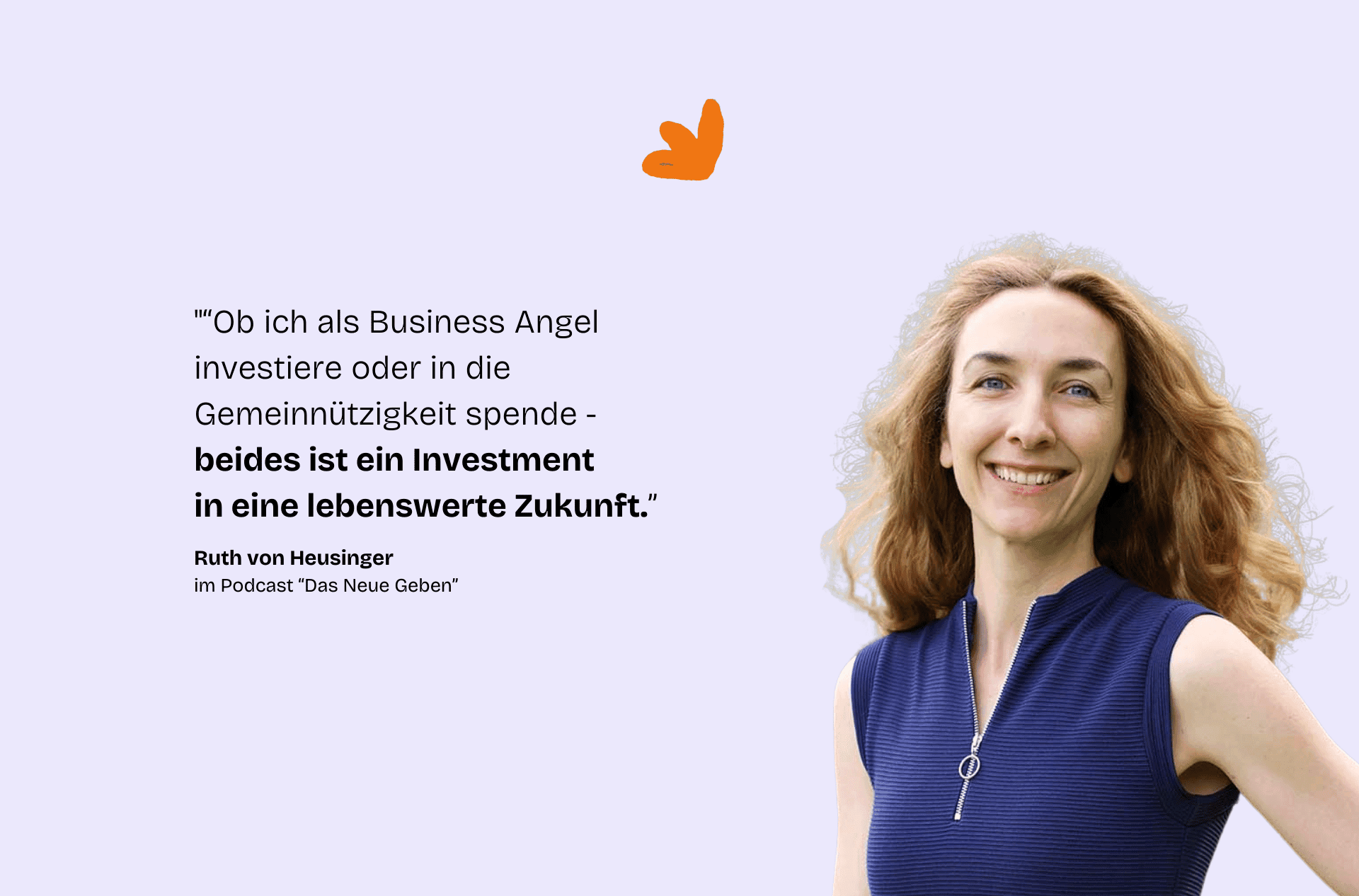
I thought about this a lot beforehand and looked to the start-up world when making my decision. In many non-profit organizations, the work is done purely on a voluntary basis - which I also do at ForTomorrow. However, many of these organizations remain small because they lack manpower. That’s why from the start with ForTomorrow, I integrated a business model so that salaries can be financed and the company can scale up and grow. Because to have a major impact, you have to grow. Unfortunately, that doesn't happen with many great initiatives. I deliberately chose the non-profit path to avoid the dilemma of whether I am working for profit or for climate protection. With a non-profit, it is completely clear: climate protection takes top priority. I view my involvement in impact investing in a similar way: whether I invest as a business angel or donate to charity - both are an investment in a future worth living.
A new study by the PIK (Potsdam Institute for Climate Impact Research) shows that every euro we invest in climate protection now prevents six euros in damages that we would otherwise face. From a societal perspective, this is a very good financial investment. Another study predicted the loss of income that lies ahead of us if we do not get climate change under control. Knowing that without climate protection, my salary in 20 years will buy me only half as much as it does today makes it personal - this is a clear incentive to take individual action to preserve our prosperity.
“The current crises are very time-critical, and every euro we can invest sooner to help us solve these crises, the better.” - Ruth von Heusinger
In addition, you have also founded a ForTomorrow Foundation. Please tell us more about that and the next step you have taken.
Exactly, I don't believe in the “ONE” solution, which is why I founded the ForTomorrow Foundation via bcause. The ForTomorrow Foundation naturally supports ForTomorrow, but beyond that, the beauty of it is that I was able to integrate different solutions. For instance, co2online is involved, assisting with sustainable building renovations, along with GermanZero, who advocate at the political level. There is also ClientEarth, working on a legal level through climate litigation, ProjectTogether, supporting collaborative climate action approaches, and of course ForTomorrow is supported by the foundation. In addition, there is Planet A, which is a venture capital fund investing in sustainable startups that offer solutions for climate protection. I find the impact investing aspect of the foundation particularly interesting, allowing a potential return to be reinvested. And that is exactly what convinced me about bcause: there is no separation between strictly non-profit and for-profit organizations, both can be supported together.
Last year, I also founded Hanami Ventures for my impact investing activities. I decided to directly integrate a pledge where 10% of any profits made are donated back. For me, this is a kind of insurance for my future self. The current crises are very time-critical, and every euro we can invest sooner to solve these crises, the better. That is why it is so important for everyone to see: What more can I do? Where can I commit myself even further? And the engagement I see on bcause gives me a lot of hope.
Together for a Future Worth Living!
💡 Discover the ForTomorrow Foundation and support Ruth's selection of organizations for holistic climate protection.
Listen in now!
If you would like to hear more about Ruth’s commitment and views, you can listen to the complete interview as a podcast. You can also find the podcast episode on Spotify.
If you have any questions or feedback, feel free to write to us at community@bcause.com.
Did you like the article? Then share it within your network.
Sign up for our newsletter and never miss a thing.
⚠️ Disclaimer: We do not provide tax advice. We do not replace a certified tax advisor. All information is provided without guarantee.
Written by

Felix Oldenburg