Support & Impact
Gender equality – a cross-cutting issue
Oxfam fights against social inequality worldwide and advocates for gender justice. Women are particularly affected by poverty – together we can create a fairer world.
—
10 minutes
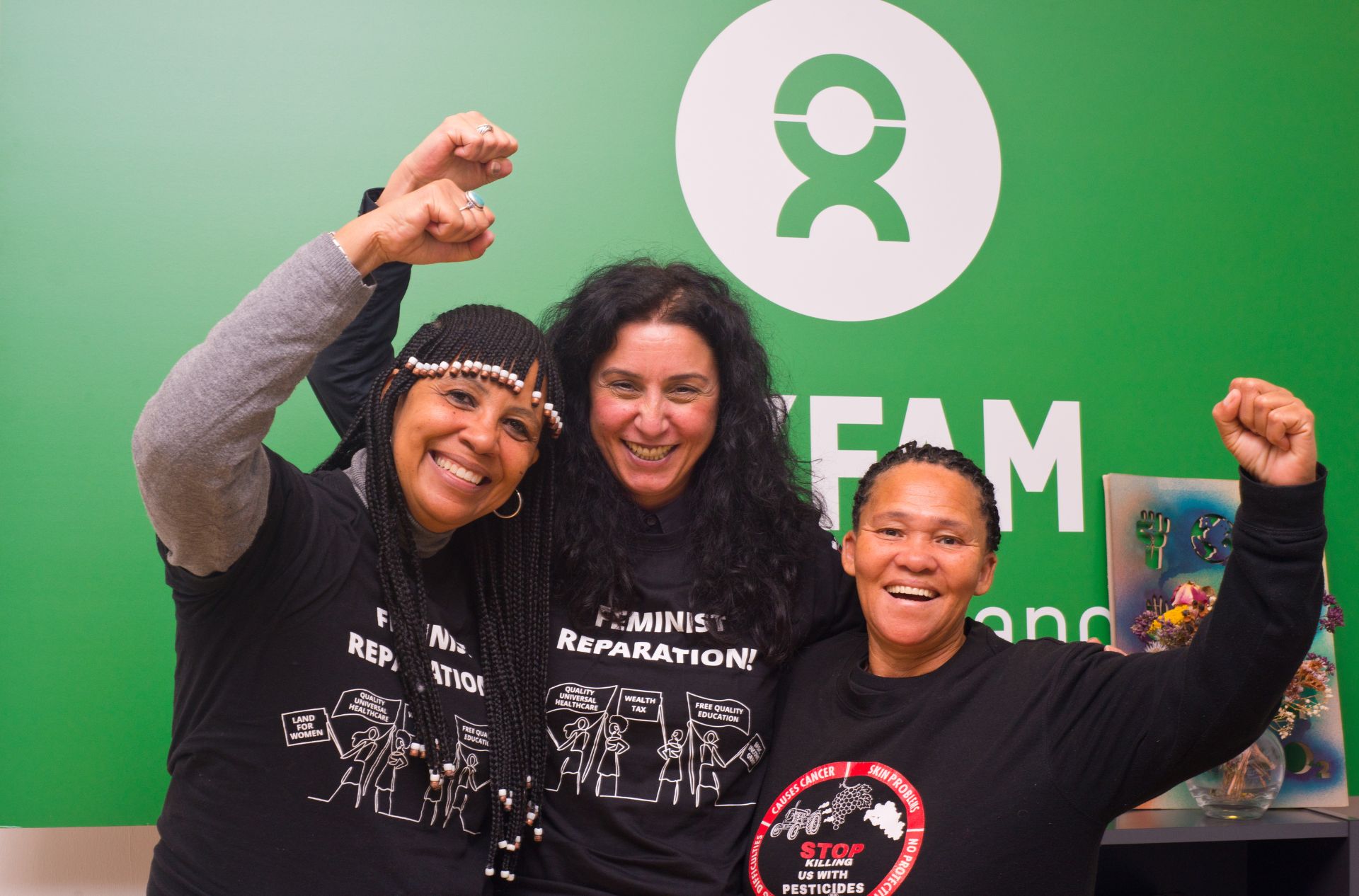
Fewer Women in the Bundestag: A Step Backward for Democracy
After the federal election on February 23, 2025, it is clear: there will be fewer women in the next Bundestag. They make up only about 32 percent – as few as most recently in 1989. This is a clear deficit for democracy and gender equality. How is gender-equitable policymaking supposed to succeed if women are underrepresented? This makes the voice of civil society all the more relevant: organizations and associations that fight tirelessly for justice. Their work and their political engagement make our society more diverse and more just. This benefits all of us and strengthens our democracy. Together with them, it is worth fighting for a gender-equitable future.
Oxfam's Commitment to Gender Equality
Oxfam is an international non-profit organization working in around 80 countries toward a major goal: a just and sustainable world without poverty. Operating in a triad of political and campaign work, long-term projects, and emergency aid, Oxfam has been committed to fighting social inequality for decades. People who suffer from hunger, face oppression, or lose their livelihoods receive support to build a better future. Together with local partner organizations, Oxfam also supports them over the long term in securing sustainable livelihoods and enforcing basic rights such as education, healthcare, and social participation.
Women are Particularly Affected by Poverty
It is no secret that women feel social inequality on a daily basis:
They make up 51 percent of the world's population, but account for 70 percent of those living in poverty.
Among single parents, 83 percent are women.
Although women contribute 50 percent to global food production, they own barely any land and earn significantly less than men.
Gender equality is therefore a cross-cutting issue that affects all areas of life. And it always begins with ourselves. That is why Oxfam acts according to feminist principles and gives women a strong voice within the organization as well:
Gender Equality as Part of Social Justice
Oxfam advocates for gender equality and examines the links between different forms of social inequality. Feminist principles play a central role in this.
74 percent of Oxfam employees in Germany are women.
85 percent of leadership positions are held by women.
At the head of Oxfam Germany is a woman: Serap Altinisik.
„The monopoly on violence remains in the hands of men – often with fatal consequences. In crises, mothers and daughters are often the last to eat, girls are taken out of school, or married off by force. Together, we can change this.“ – Serap Altinisik
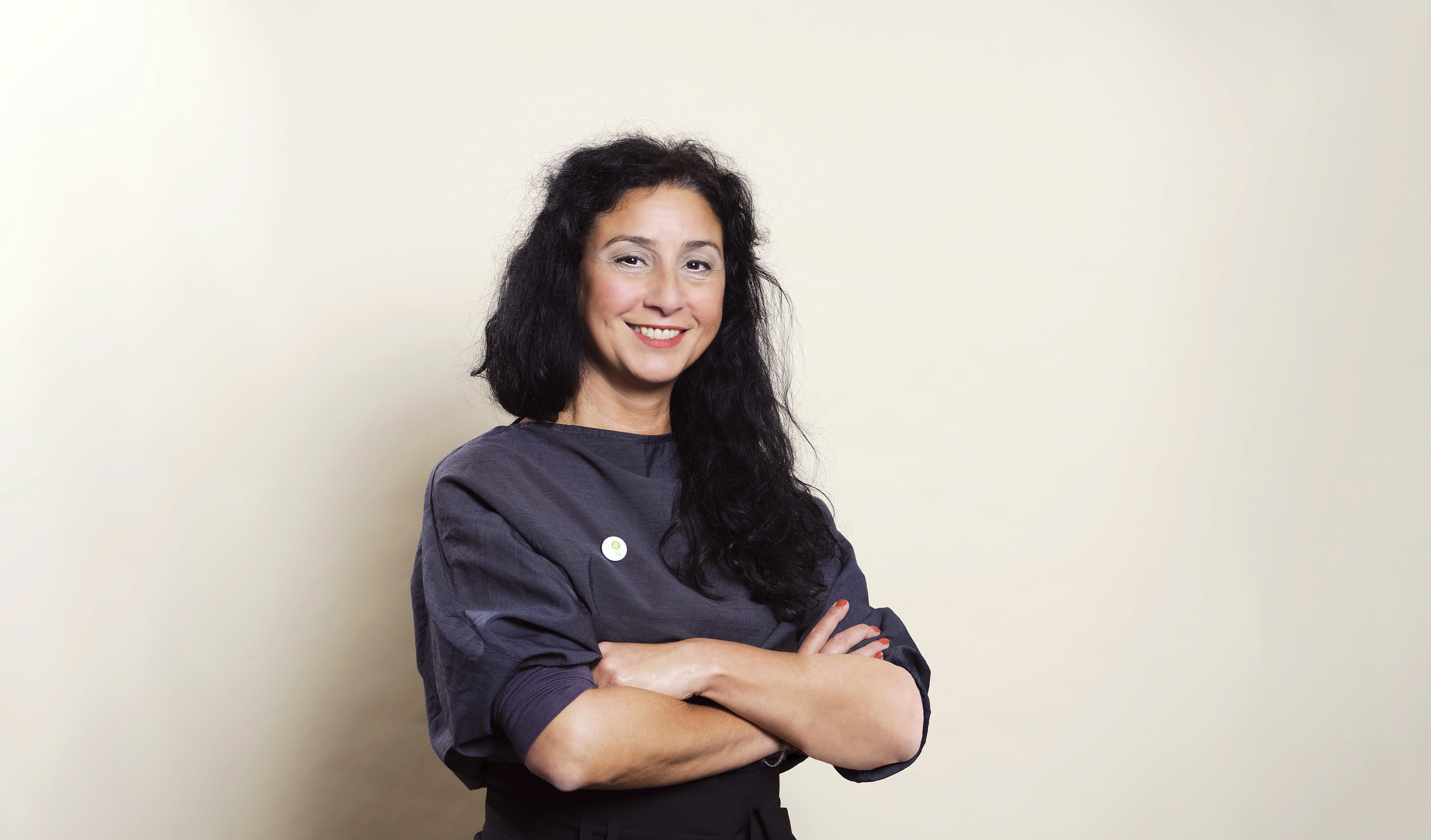
Image source: Mike Auerbach
Solidarity Across Borders
Oxfam specifically supports women and girls to dismantle structural barriers. One example is the cooperation with workers in South Africa, India, and Brazil who produce wine, tea, and tropical fruits under precarious conditions for German supermarkets. They receive support to organize in trade unions and demand their right to humane working conditions. This also includes protection from dangerous pesticides that are banned in the EU. Oxfam's South African partner organization, together with female workers, is establishing agroecological vegetable gardens in their backyards. This allows women to feed their families year-round and reduce their dependence on exploitative employers.
Humanitarian Aid: Supporting Women in Times of Crisis
Disasters and conflicts hit women and girls particularly hard. Humanitarian aid is an important part of Oxfam's work. In cooperation with local partners, Oxfam provides drinking water, food, and hygiene facilities.
As a leading organization in WASH provision (Water, Sanitation and Hygiene), Oxfam knows that access to clean water is vital. Women and girls often have to travel long distances to fetch water – a threat to their safety and health.
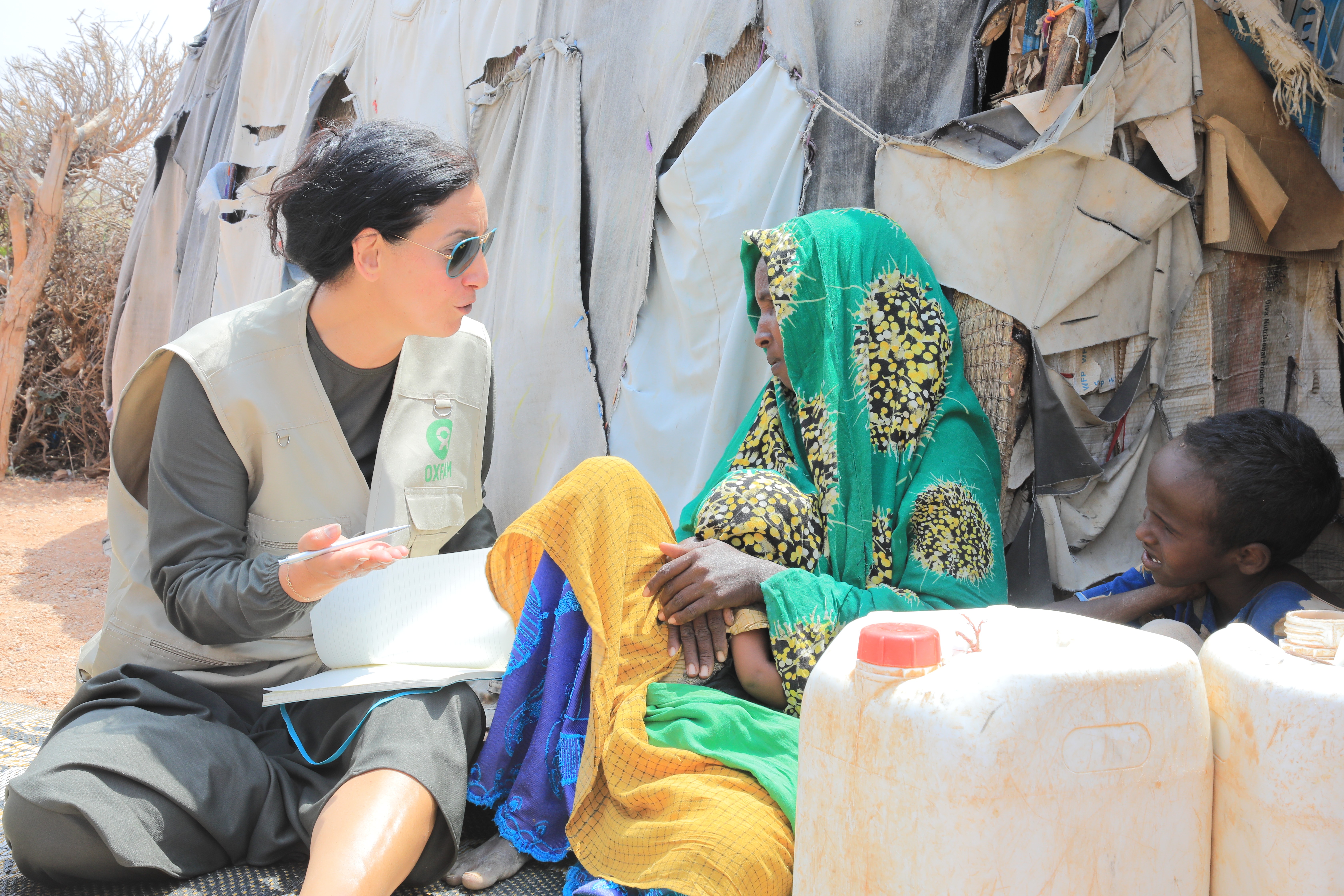
Image source: Ahmed Osman
Raising Awareness of Injustice: Holding Business and Politics Accountable
Oxfam campaigns globally against social inequality and, together with its partners, fights for gender equality, climate justice, and food security. Special attention is given to tax justice.
Wealth Tax: A Lever for Gender Equality for Oxfam
Tax regulations often benefit men. A recent Oxfam study conducted with the Tax Justice Network (Netzwerk Steuergerechtigkeit) shows how the insufficient taxation of wealth in Germany disadvantages women. Oxfam demands a fairer tax policy and is working with a broad alliance to advocate for the introduction of a wealth tax. The revenue generated from this could be used to expand urgently needed social infrastructure, such as childcare and care facilities – a direct improvement for women.
The Role of Donations: Achieving More Together
Private donations play a central role in Oxfam's work. They make it possible to respond quickly and flexibly to crises, fund projects in the long term, and drive political campaigns independently.
Fundraising campaigns can be started via bcause to support Oxfam in a targeted way. Whether as an individual donation or a joint fundraising effort.
A highlight: via bcause, Oxfam was able to attract the attention of modern philanthropists to whom the organization previously had no access.
Sign up for our newsletter and never miss a thing.
⚠️ Disclaimer: We do not provide tax advice. We do not replace a certified tax advisor. All information is provided without guarantee.
Written by
Lena Enders (guest post OXFAM)